

NovatraTech pursues academic collaborations with educational institutions to advance AI education for students through partnership programs, resource sharing, and curriculum development initiatives across multiple learning levels.
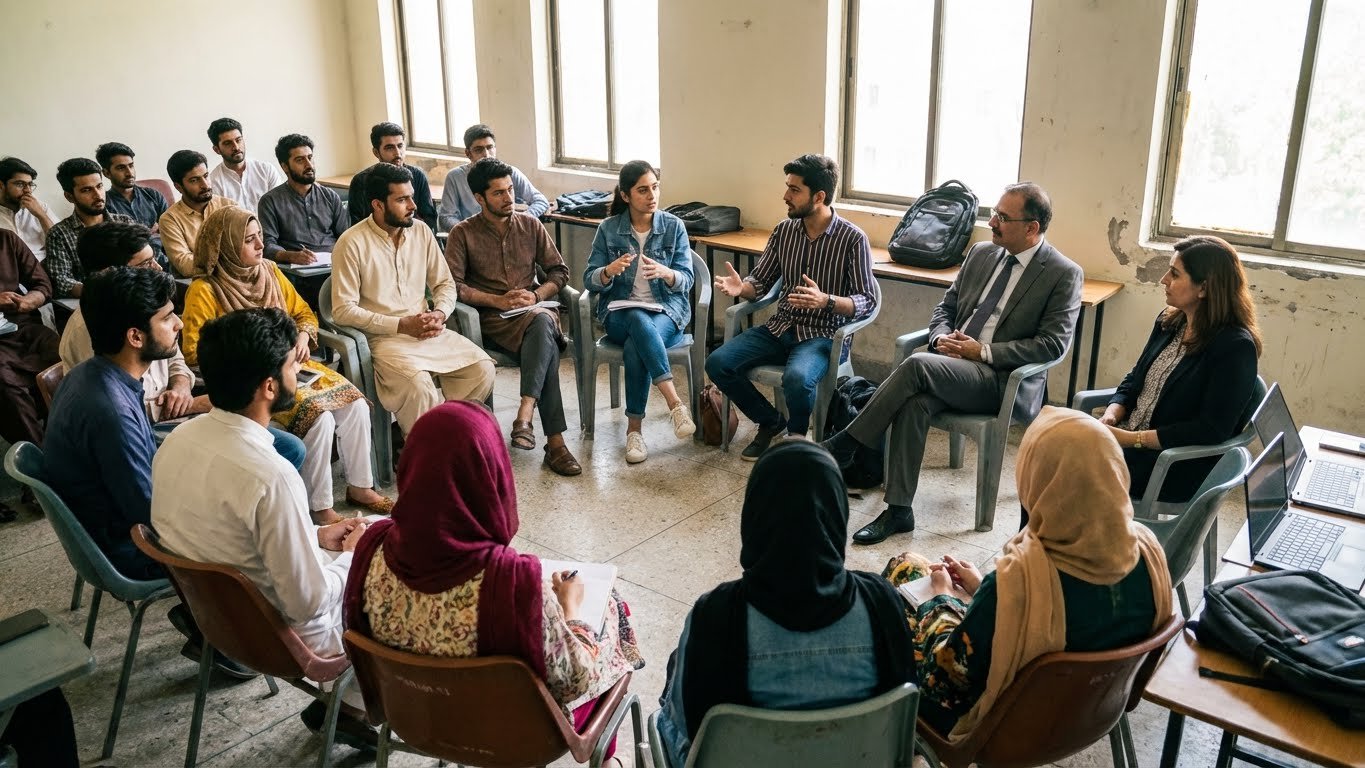
NovatraTech has initiated exploratory discussions with educational institutions regarding potential academic collaborations focused on AI education for students. These partnership conversations reflect broader industry trends where technology companies engage with schools and universities to address growing demand for artificial intelligence literacy and technical competency development.
Partnership Framework and Objectives
The academic collaborations under consideration by NovatraTech encompass multiple engagement models designed to enhance AI education opportunities for students at various educational levels. Proposed partnership structures include curriculum development support, technology resource provision, faculty training programs, and student workshop facilitation. These collaborative frameworks aim to bridge gaps between theoretical computer science instruction and practical artificial intelligence applications.
NovatraTech’s exploration of academic collaborations addresses the challenge many educational institutions face in keeping pace with rapidly evolving AI technologies. Traditional academic programs often struggle to update curricula quickly enough to reflect current industry practices and emerging tools. Partnership models allow technology companies to share contemporary knowledge while educational institutions provide pedagogical expertise and student access.
The proposed AI education initiatives target students from secondary through post-secondary education levels. Different partnership approaches suit various age groups and educational contexts. Secondary school collaborations might emphasize foundational concepts and computational thinking, while university partnerships could involve advanced research projects and specialized technical training in AI education.
Resource Sharing and Infrastructure Support
Academic collaborations being explored by NovatraTech include potential technology resource contributions to educational institutions. Cloud computing access, software development tools, and AI platform licenses represent infrastructure components that could enhance student learning environments. These resources enable hands-on experimentation with artificial intelligence technologies that educational budgets might not otherwise accommodate.
Access to industry-standard tools through academic collaborations exposes students to technologies they will encounter in professional environments. Familiarity with current platforms and frameworks provides practical advantages during employment transitions. Educational institutions benefit from resource partnerships that expand laboratory capabilities and project possibilities for AI education programs.
Data sets for machine learning projects present another area where academic collaborations could provide value. Students studying artificial intelligence require diverse, well-structured data for training models and conducting experiments. NovatraTech’s exploration includes potential provision of anonymized, educational-appropriate data sets that support student research and learning activities while maintaining privacy and ethical standards.
Curriculum Development Initiatives
The academic collaborations under discussion involve potential contributions to AI education curriculum design and instructional material development. Industry practitioners can offer perspectives on relevant skills, emerging applications, and technical competencies that employers value. Educational institutions maintain responsibility for pedagogical approaches and academic rigor while incorporating industry insights.
Modular curriculum components allow flexible integration into existing programs without requiring complete course redesigns. NovatraTech’s exploratory discussions address how supplementary materials, case studies, and project frameworks could enhance current AI education offerings. This approach respects institutional autonomy while providing a contemporary industry context.
Faculty development represents a crucial element of effective academic collaborations for AI education. Professional development opportunities enable educators to strengthen technical knowledge and teaching methodologies for artificial intelligence topics. Workshop sessions, mentorship programs, and collaborative research projects could connect faculty members with industry practitioners through proposed partnership structures.
Student Engagement Programs
Proposed academic collaborations include potential student-facing programs beyond classroom instruction. Guest lecture series featuring AI practitioners could expose students to real-world applications and career pathways. Workshop sessions on specific technologies or methodologies provide intensive learning experiences that complement semester-long courses in AI education.
Internship facilitation and project sponsorship represent deeper engagement models under consideration. Students benefit from applied learning opportunities where they tackle authentic problems using artificial intelligence techniques. These experiences bridge academic learning and professional practice while providing educational institutions with industry connections valuable for student career preparation.
Competition and challenge events focused on artificial intelligence applications offer additional engagement possibilities through academic collaborations. Students working on defined problems demonstrate technical abilities while developing teamwork and presentation skills. Such events can stimulate interest in AI education among broader student populations beyond those already enrolled in computer science programs.
Ethical Considerations and Responsible AI
Academic collaborations being explored by NovatraTech include an emphasis on responsible AI development and ethical considerations in artificial intelligence applications. Educational programs should prepare students not only in technical implementation but also in understanding societal implications, bias mitigation, privacy protection, and transparency requirements for AI systems.
Partnership discussions address how ethical frameworks and responsible development practices can be integrated throughout AI education curricula rather than treated as isolated topics. Case studies examining real-world ethical challenges in artificial intelligence deployment provide concrete learning opportunities. Students developing both technical competencies and ethical awareness become better prepared for professional responsibilities.
Implementation Considerations
Effective academic collaborations require alignment between institutional objectives and company capabilities. NovatraTech’s exploratory discussions involve understanding specific needs, existing resources, and strategic priorities of potential educational partners. Successful partnerships balance contributions from both parties while maintaining academic independence and educational quality standards.
Sustainability and scalability represent important factors in partnership design for AI education initiatives. Models that can expand across multiple institutions or persist beyond initial pilot periods provide broader impact. Academic collaborations need clear governance structures, defined responsibilities, and evaluation mechanisms to ensure ongoing effectiveness.
Geographic considerations influence partnership possibilities, with institutions in various regions presenting different opportunities and challenges for academic collaborations. NovatraTech’s exploration encompasses both local educational institutions and potential partnerships across wider geographic areas where AI education needs align with company capabilities.
Future Directions
The evolving nature of artificial intelligence technology suggests that academic collaborations for AI education will require ongoing adaptation and renewal. Partnership models established today may need revision as new AI applications emerge and educational requirements shift. Flexible frameworks that accommodate change while maintaining core educational objectives serve long-term partnership success.
As NovatraTech continues exploring academic collaborations, the focus remains on identifying partnership structures that meaningfully enhance AI education opportunities for students while respecting institutional autonomy and educational mission. The conversations underway reflect recognition that preparing students for technology-influenced futures requires cooperation between educational institutions and industry participants.
Explore more on our website https://novatratech.online/





Leave a Reply