

University students in Pakistan are increasingly seeking AI and digital skills training as demand grows for technology expertise in the job market, reshaping educational priorities and career preparation strategies.
University students in Pakistan are demonstrating increased interest in acquiring AI and digital skills as technological transformation reshapes employment landscapes across various industries. This shift reflects broader global trends where artificial intelligence, data analytics, and digital competencies have become essential qualifications for competitive career positioning.
Educational Landscape Transformation
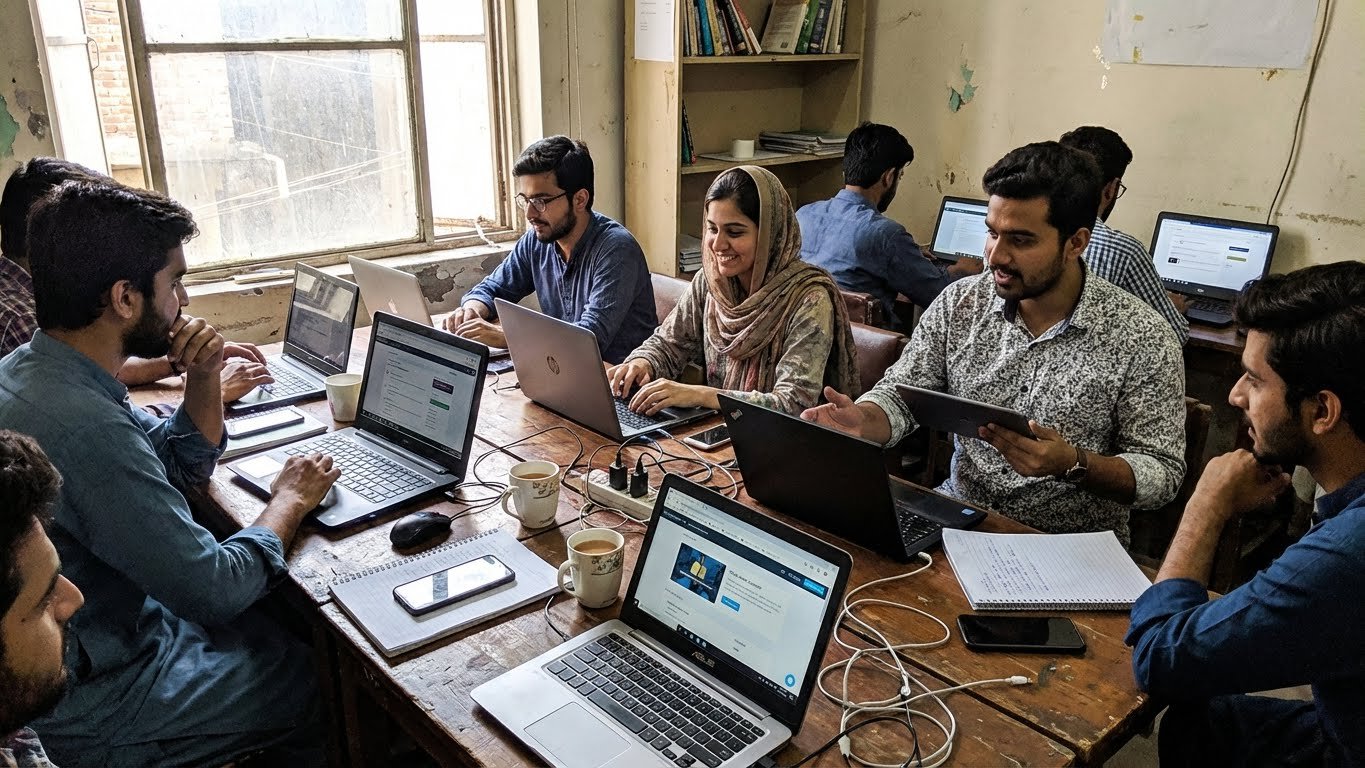
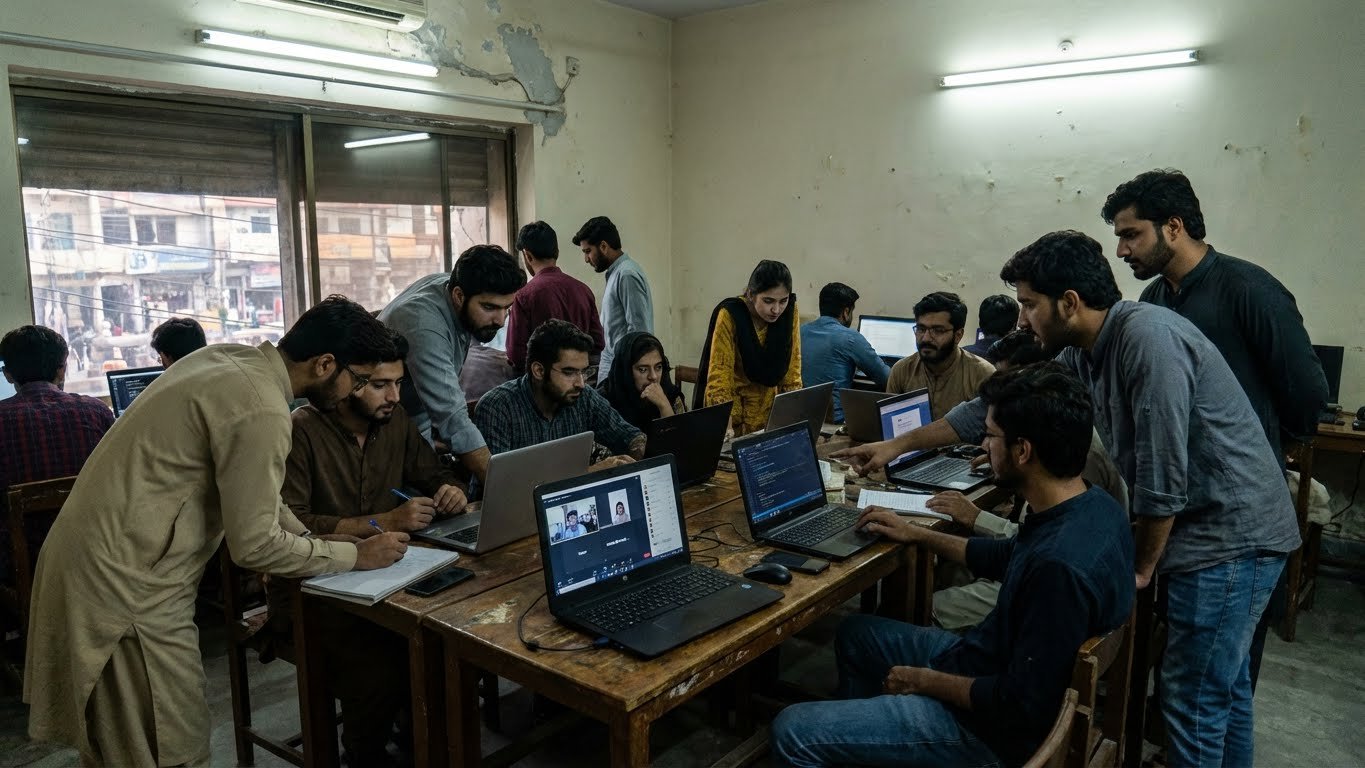
Pakistani universities have observed notable enrollment increases in computer science, software engineering, and information technology programs over recent years. Students pursuing these disciplines cite employment prospects and technological advancement as primary motivations. The demand for AI and digital skills extends beyond traditional technology majors, with students from business, design, and social sciences seeking supplementary technical training.
Several universities across Pakistan have introduced specialized courses, certifications, and degree concentrations focused on artificial intelligence, machine learning, and digital marketing. These academic offerings respond to student demand for structured learning pathways in emerging technology domains. Institutions in major cities including Karachi, Lahore, and Islamabad have expanded their technology-focused curricula to accommodate growing student interest.
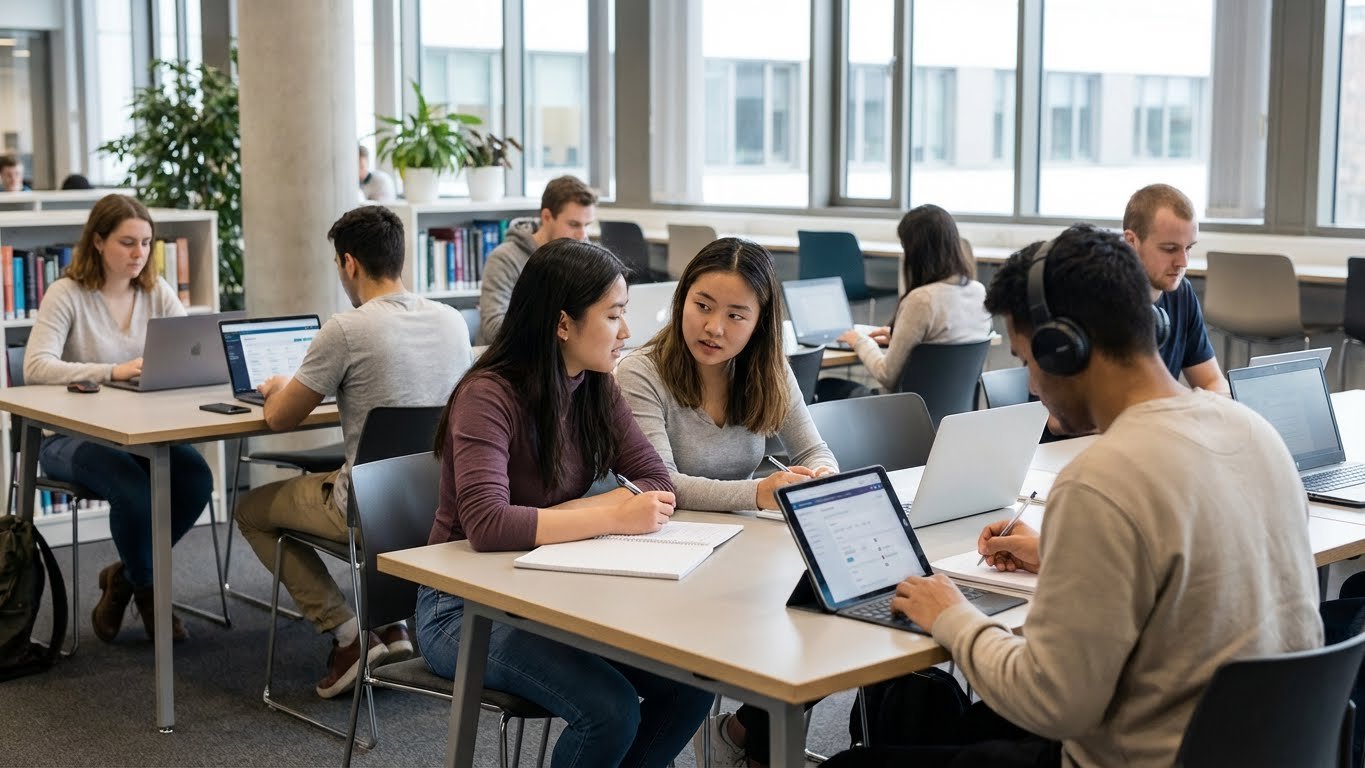
The proliferation of online learning platforms has provided Pakistani students with access to international courses and certifications in AI and digital skills. Many university students supplement formal education with self-directed learning through massive open online courses, tutorial platforms, and digital skill development resources. This hybrid approach allows students to acquire specialized competencies not always available through conventional academic programs.
Industry Drivers and Employment Context
Pakistan’s technology sector has experienced substantial growth, with software development companies, digital agencies, and technology startups expanding operations domestically and internationally. This expansion creates employment opportunities requiring advanced AI and digital skills, directly influencing student career preparation strategies. University graduates with demonstrable technical competencies gain competitive advantages in recruitment processes.
Multinational corporations establishing operations in Pakistan seek candidates proficient in data science, artificial intelligence, cloud computing, and digital transformation methodologies. The availability of skilled talent influences corporate investment decisions, creating feedback loops where employment demand stimulates educational pursuit of AI and digital skills among university students.
Freelancing platforms have enabled Pakistani professionals to access international client markets, with digital services representing significant portions of export earnings. University students recognize these opportunities, motivating skill acquisition in web development, graphic design, content creation, and other digital specializations. The remote work capabilities inherent to many digital professions appeal to students seeking flexible career options.
Skill Categories in Demand
Artificial intelligence and machine learning represent priority areas where Pakistani students seek proficiency. Foundational understanding of algorithms, neural networks, and model training processes forms baseline knowledge, with advanced students pursuing specializations in computer vision, natural language processing, or predictive analytics. University students studying AI and digital skills often engage with programming languages including Python, R, and Java.
Digital marketing competencies attract significant student interest, encompassing search engine optimization, social media management, content strategy, and analytics interpretation. Businesses across Pakistan require these capabilities for online presence development, creating employment pathways for graduates with verified digital marketing expertise. Students pursuing AI and digital skills in marketing contexts combine creative thinking with data-driven decision-making.
Web and mobile application development remains consistently popular among Pakistani university students. Full-stack development, user interface design, and application security knowledge enable graduates to participate in software creation across industries. The proliferation of smartphone usage in Pakistan amplifies demand for mobile application expertise specifically.
Data analytics and business intelligence skills enable students to interpret large datasets and generate actionable insights. Organizations seeking evidence-based decision-making processes require personnel capable of data visualization, statistical analysis, and reporting. University students developing AI and digital skills in analytics prepare for roles spanning finance, healthcare, retail, and government sectors.
Challenges and Barriers
Access to quality technical education varies across Pakistan’s provinces and urban-rural divides. Universities in metropolitan areas generally offer more comprehensive technology programs compared to institutions in smaller cities or rural regions. Students outside major urban centers may face limitations in accessing advanced AI and digital skills training through formal educational channels.
Infrastructure constraints including inconsistent internet connectivity and limited computing resources affect some students’ ability to engage with digital learning materials or complete programming assignments. While improving, technological infrastructure disparities create uneven learning conditions across different geographic and socioeconomic contexts.
The rapidly evolving nature of AI and digital technologies presents curriculum development challenges for academic institutions. University programs require regular updates to remain aligned with current industry practices and emerging tools. Faculty development and resource allocation for technology education demand ongoing institutional investment.
Future Outlook
Projections indicate continued growth in demand for AI and digital skills among Pakistani university students as technology integration deepens across economic sectors. Government digitalization initiatives, expanding e-commerce ecosystems, and increasing technology entrepreneurship contribute to sustained career opportunities requiring these competencies.
Educational institutions face pressure to enhance technology infrastructure, update curricula, and expand faculty expertise to meet student demand for AI and digital skills training. Partnerships between universities and technology companies may facilitate knowledge transfer and provide students with practical industry exposure.
The emphasis on AI and digital skills among university students in Pakistan reflects adaptation to changing employment requirements and recognition of technology’s central role in contemporary professional contexts. As more students prioritize technical competency development, Pakistan’s talent pool in artificial intelligence and digital domains continues expanding, potentially strengthening the nation’s position in global technology markets.


Leave a Reply