
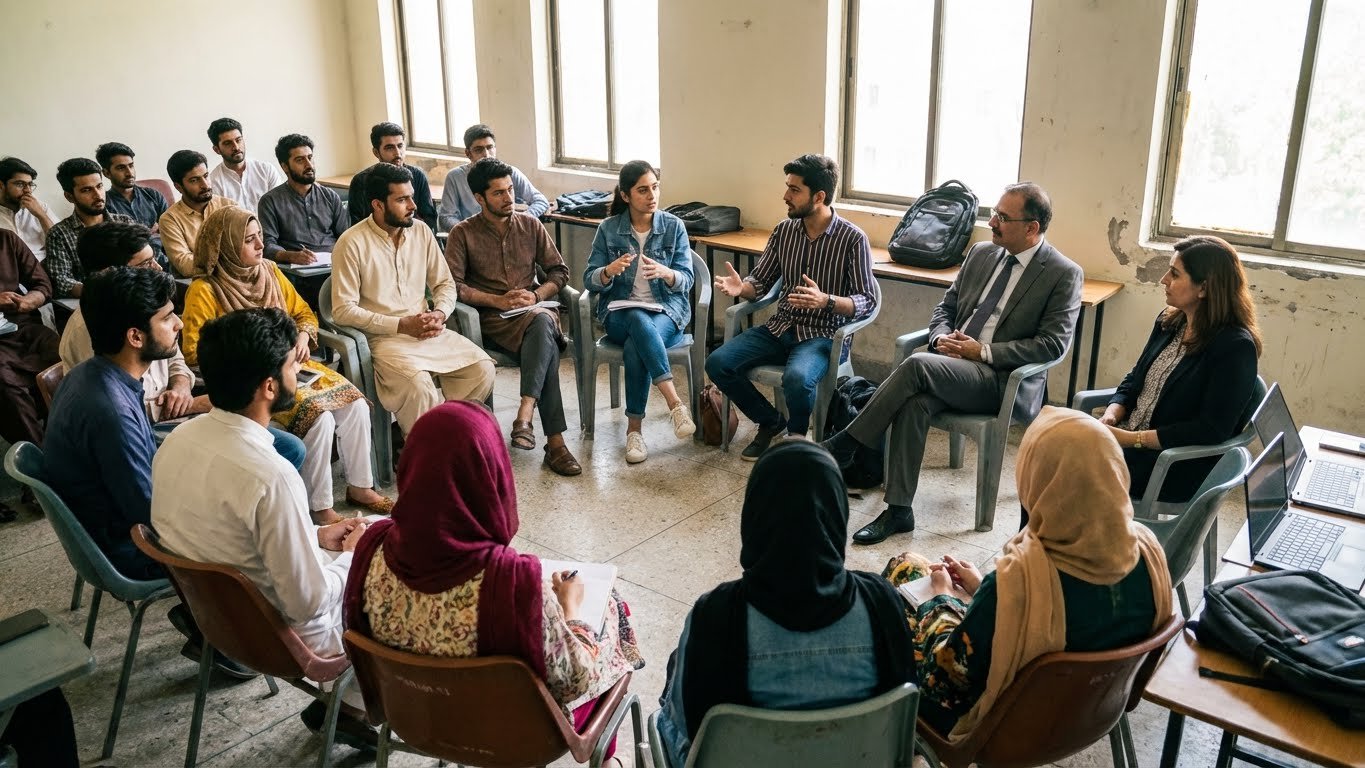
Student-led tech communities across universities demonstrate increasing interest in industry-academia collaboration, creating bridges between academic learning and professional technology sectors through organized initiatives and partnership programs.
Student-led tech communities at universities worldwide are demonstrating heightened interest in establishing industry-academia collaboration frameworks that connect academic environments with professional technology sectors. These student-organized groups actively seek engagement opportunities with companies, startups, and industry professionals to enhance learning experiences beyond traditional classroom instruction.
Characteristics of Student-Led Tech Communities
Student-led tech communities typically form around shared interests in specific technologies, programming languages, or application domains. These organizations operate independently from formal academic departments, though they often receive institutional recognition and varying levels of university support. Members include students across different years of study and sometimes multiple academic disciplines, united by technology interests.
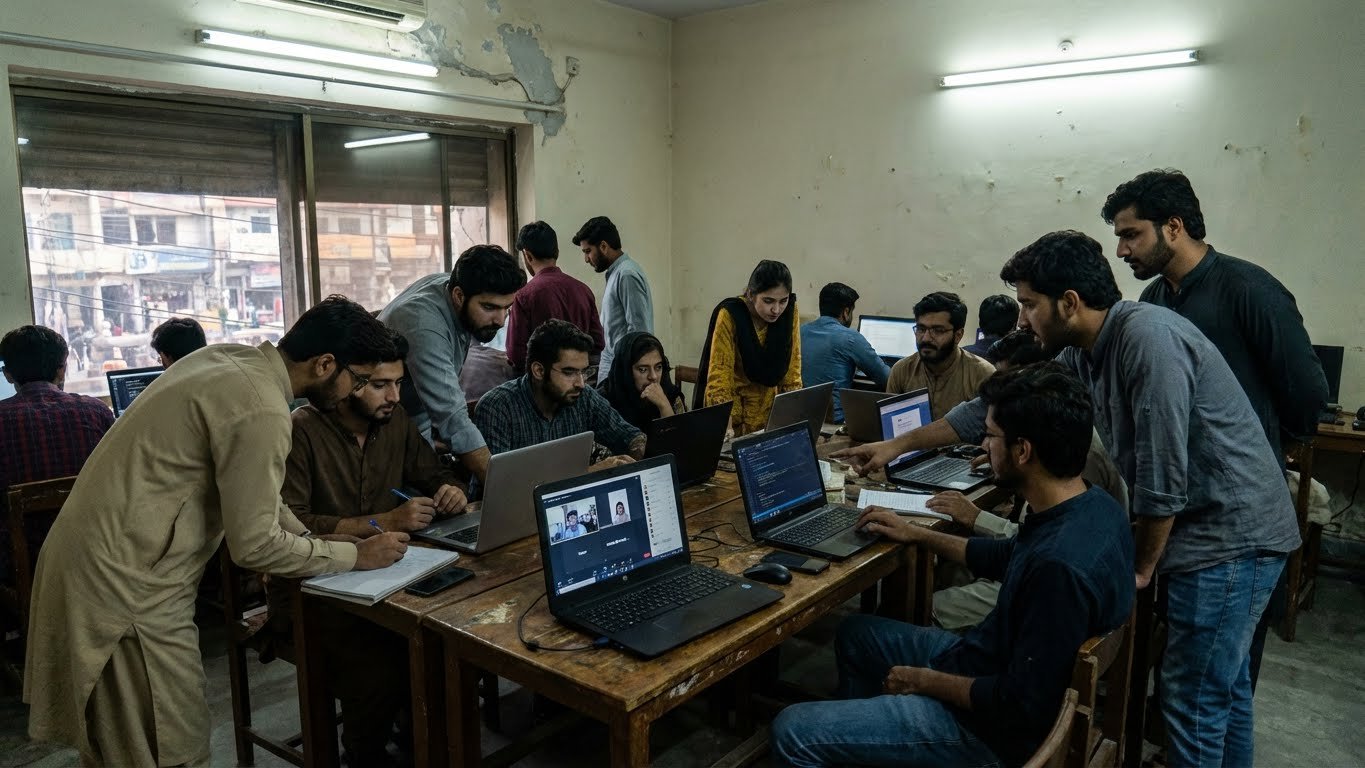
Common activities within student-led tech communities include workshop organization, hackathon hosting, project collaboration, and knowledge-sharing sessions. These groups create informal learning environments where students teach one another, work on collaborative projects, and explore technologies outside standard curriculum requirements. The peer-driven nature of these communities fosters experimentation and skill development in supportive contexts.
Leadership structures in student-led tech communities vary but typically involve elected or volunteer positions with defined responsibilities. Core teams manage event planning, communication, resource allocation, and partnership development. Rotation of leadership roles ensures continuity while allowing different students to gain organizational experience throughout their academic careers.
Motivations for Industry-Academia Collaboration
Student-led tech communities pursue industry-academia collaboration to access resources, expertise, and real-world perspectives unavailable through academic channels alone. Industry partnerships can provide mentorship opportunities, technical resources, project ideas, and insights into current professional practices. These connections help students understand how academic concepts apply in commercial and organizational contexts.
Career preparation represents a significant motivation behind industry-academia collaboration efforts by student-led tech communities. Students recognize that professional networks and practical experience influence employment outcomes. Interactions with industry representatives through community events create networking opportunities and demonstrate initiative to potential employers.
The desire for authentic problem-solving experiences drives student interest in industry-academia collaboration. Working on challenges facing actual organizations provides motivation and context that academic exercises sometimes lack. Student-led tech communities seek partnerships that offer access to real datasets, business problems, or technical challenges that members can address through collaborative projects.
Forms of Collaboration
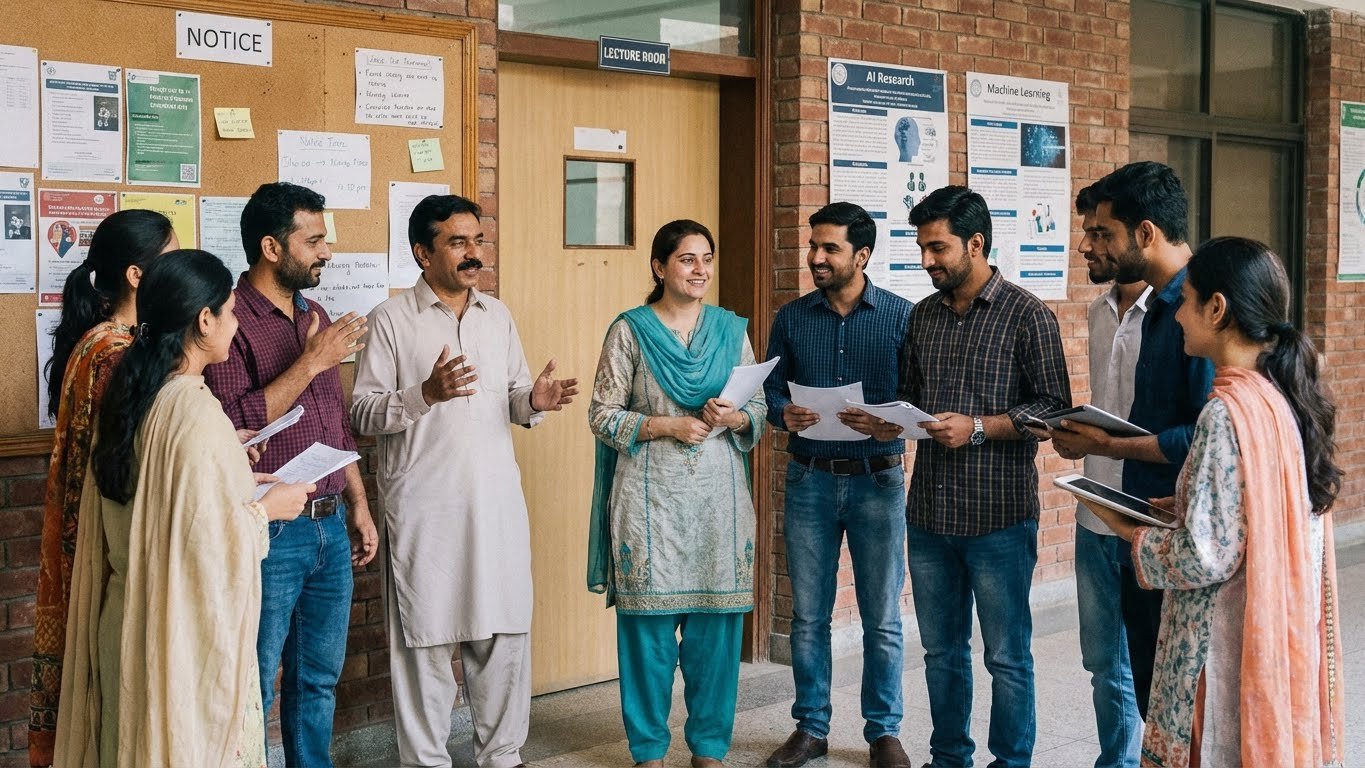
Guest speaker programs constitute one common form of industry-academia collaboration facilitated by student-led tech communities. Industry professionals present on topics ranging from technical deep-dives to career development guidance. These sessions expose students to diverse perspectives and current industry trends while allowing companies to engage with emerging talent pools.
Workshop and training events represent more interactive collaboration models where industry partners provide hands-on instruction in specific technologies or methodologies. Student-led tech communities coordinate these sessions, managing logistics and participant recruitment. Companies benefit from brand visibility among student populations while contributing to technical education.
Hackathons and coding competitions organized by student-led tech communities often attract industry sponsorship and participation. Companies may provide challenging problems, offer prizes, send mentors to guide teams, or recruit participants. These intensive events combine learning, networking, and competition while demonstrating student capabilities to potential employers through industry-academia collaboration.
Mentorship programs connect students with industry professionals for ongoing guidance relationships. Student-led tech communities establish matching processes, facilitate introductions, and maintain program structures. These longer-term relationships provide sustained learning opportunities beyond single events, deepening industry-academia collaboration impact.
Challenges and Considerations
Establishing effective industry-academia collaboration requires student-led tech communities to navigate organizational complexities. Companies often have formal partnership processes, legal requirements, and approval chains that student groups must understand and accommodate. Building relationships with appropriate industry contacts and maintaining communication present ongoing challenges for volunteer student leadership teams.
Balancing academic commitments with community leadership responsibilities strains students managing industry-academia collaboration initiatives. Event planning, partnership negotiations, and program coordination demand significant time investment alongside coursework and other obligations. Student-led tech communities must develop sustainable operational models that distribute workload and prevent leadership burnout.
Ensuring equitable access to collaboration opportunities within student-led tech communities requires intentional inclusion efforts. Some students face barriers to participation including schedule conflicts, technical background gaps, or unfamiliarity with professional networking norms. Effective communities implement strategies to welcome diverse participants and ensure industry-academia collaboration benefits reach broad student populations.
Impact on Academic Environments
Student-led tech communities and their industry-academia collaboration efforts influence broader campus culture around technology and professional preparation. These organizations often attract students who might not major in computer science but hold technology interests relevant to their fields. The inclusive nature of many communities expands technology education access beyond formal degree programs.
University administrations increasingly recognize the value of student-led tech communities as complements to formal academic programs. Some institutions provide funding, space allocation, or administrative support to facilitate community activities and industry-academia collaboration. This recognition validates student-driven learning initiatives while maintaining academic program integrity.
The projects and skills developed through student-led tech communities sometimes feed back into formal academic work. Students apply knowledge gained through community participation in courses, research projects, or capstone experiences. This bidirectional knowledge flow enriches both informal community learning and structured academic education.
Future Trajectories
The growing sophistication of student-led tech communities suggests continued expansion of industry-academia collaboration initiatives. As these organizations mature, they develop more structured partnership frameworks, clearer value propositions for industry participants, and enhanced programming for student members. Multi-year relationship building enables deeper collaborations beyond transactional event sponsorships.
Digital tools and platforms facilitate broader reach for student-led tech communities, enabling collaboration across geographic boundaries. Virtual events, online mentorship programs, and digital resource sharing expand participation possibilities while maintaining community connection. Industry-academia collaboration may increasingly leverage these technologies to overcome physical distance limitations.
The demonstrated success of student-led tech communities in fostering industry-academia collaboration influences how educational institutions and companies approach talent development and technology education. These grassroots initiatives provide models for formal programs while maintaining the flexibility and student-centeredness that characterize effective peer learning environments.
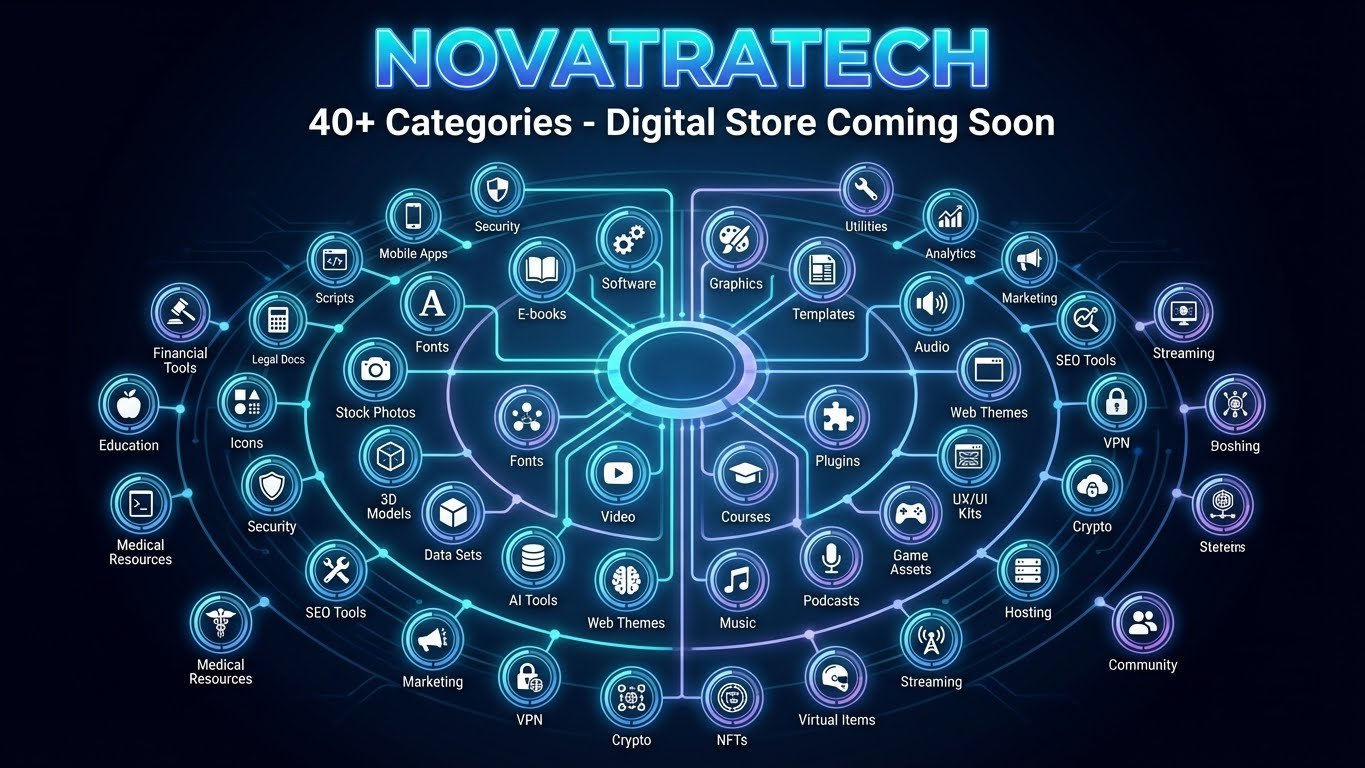
Explore more on our website ata https://novatratech.online/


Leave a Reply